Five Decorative Accessories That Transform Any Room
Decorative accessories hold a unique position in interior design. While larger furniture pieces define the overall layout and function of a room, it is the smaller items that often bring personality and warmth into a space. A vase placed on a console table, a throw pillow arranged on a sofa, or a tray set on a coffee table can subtly shift the atmosphere without requiring major renovations or significant expense. These pieces allow for frequent updates and experimentation, which can be particularly useful for those who enjoy refreshing their environment regularly.
Selecting the right accessories involves considering how they interact with existing elements such as color palettes, textures, and lighting. A well-chosen accessory can tie together disparate design features or introduce a new accent that livens up a neutral scheme. The process of updating these items is relatively straightforward and does not demand professional assistance, making it accessible to a wide range of homeowners. The following sections explore five types of decorative accessories that are commonly used to bring a renewed sense of character to any room.
Vases: Organic Forms and Versatile Styling
Vases are among the most adaptable decorative accessories available. Their primary function—holding flowers or branches—naturally brings organic shapes and natural elements indoors. However, even when empty, a well-designed vase can serve as a sculptural object that draws attention through its material, color, or silhouette. Ceramic, glass, metal, or stone vases each offer different visual qualities, from the transparency of glass that complements delicate blooms to the earthy weight of stoneware that anchors a shelf.
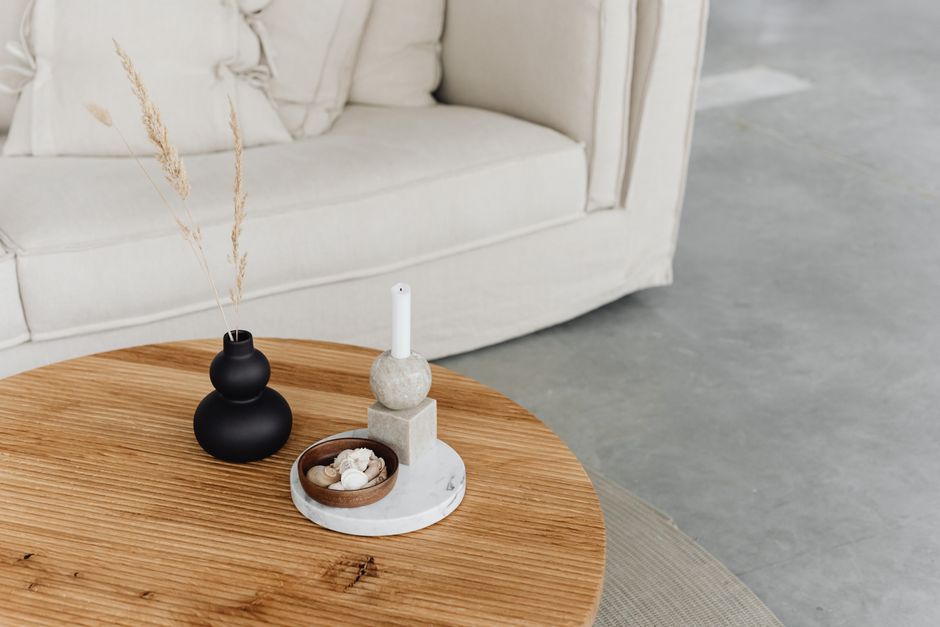
When styling a vase, one might consider the scale in relation to the surface and surrounding objects. A tall, slender vase can emphasize vertical lines near a doorway or beside a mirror, while a wide, low vase works well on a dining table or coffee table, allowing for low arrangements or simple displays of dried botanicals. Seasonal changes provide natural opportunities to rotate the contents, such as bare branches in winter or fresh greenery in spring. This adaptability makes vases a practical choice for those seeking to update their decor periodically without replacing the accessory itself.
Throw Pillows: Texture, Color, and Layering
Throw pillows are another highly effective accessory for changing the feel of a room. Because they are soft and tactile, they introduce comfort and visual interest directly into seating areas. The range of fabrics—cotton, linen, velvet, wool, and synthetic blends—offers different levels of formality and coziness. Patterns, solids, and embroidered details further expand the possibilities for coordinating with existing upholstery or introducing new colors.
Layering pillows of varying sizes and shapes is a common approach to creating depth. For example, a sofa might feature two square pillows in a neutral linen against the back, with a smaller velvet pillow in a complementary color placed in front. This arrangement can be adjusted easily for different seasons or moods. The introduction of a new set of pillow covers is a low-commitment update that does not require purchasing new furniture. Many manufacturers offer removable covers, which also simplifies cleaning and maintenance. When selecting pillows, one may consider the overall color scheme and whether the goal is to harmonize or to introduce a contrasting accent.
Decorative Trays: Organizing Surfaces with Style
Decorative trays serve both a practical and aesthetic role. On coffee tables, ottomans, or entryway consoles, a tray can corral small items such as remotes, coasters, keys, or candles, preventing clutter from dispersing across the surface. By grouping objects together, a tray creates a defined visual zone that feels intentional rather than haphazard. This sense of organization can contribute to a more calm and orderly environment.
The material and finish of the tray itself add another layer of decoration. Wooden trays bring warmth and natural texture, while mirrored trays reflect light and create a sense of spaciousness. Metal trays, whether brass, black iron, or stainless steel, introduce an industrial or modern edge. Some trays feature handles for easy lifting, which can be useful for moving items from room to room. When styling a tray, one might place a small vase or candle at the back, a stack of books or magazines in the middle, and a coaster set or decorative object in the front. This layered composition draws the eye and makes the surface more engaging.
Wall Art and Prints: Personal Expression through Framing
Wall art is perhaps one of the most direct ways to inject personality into a room. Unlike large furniture, art pieces can be changed relatively quickly and inexpensively. Prints, photographs, paintings, or even framed textiles allow individuals to express their tastes, interests, or memories. The choice of frame also influences the overall style—thin black frames suit modern interiors, while ornate gold or wooden frames align with more traditional settings.
Creating a gallery wall is one method to make a larger visual impact without overwhelming a single large piece. A collection of smaller framed works arranged in a grid or organic cluster can fill an empty wall while telling a visual story. Alternatively, a single oversized print can serve as a focal point above a sofa or bed. The process of selecting and arranging art involves thinking about scale, color harmony, and the relationship between frames. For those who prefer to refresh their walls seasonally, rotating pieces from a small collection can keep the space feeling current without additional expense.
Candles and Lighting Accents: Ambiance and Warmth
Candles and small lighting accessories contribute to the atmosphere of a room through soft illumination and sometimes fragrance. A group of candles in varying heights on a mantel or sideboard creates a gentle, flickering glow that makes a space feel more inviting. The vessels themselves can be decorative, ranging from simple glass jars to ceramic holders with intricate patterns. Unscented candles are useful for maintaining a subtle visual effect, while scented ones add an olfactory dimension that can influence mood or evoke a particular season.
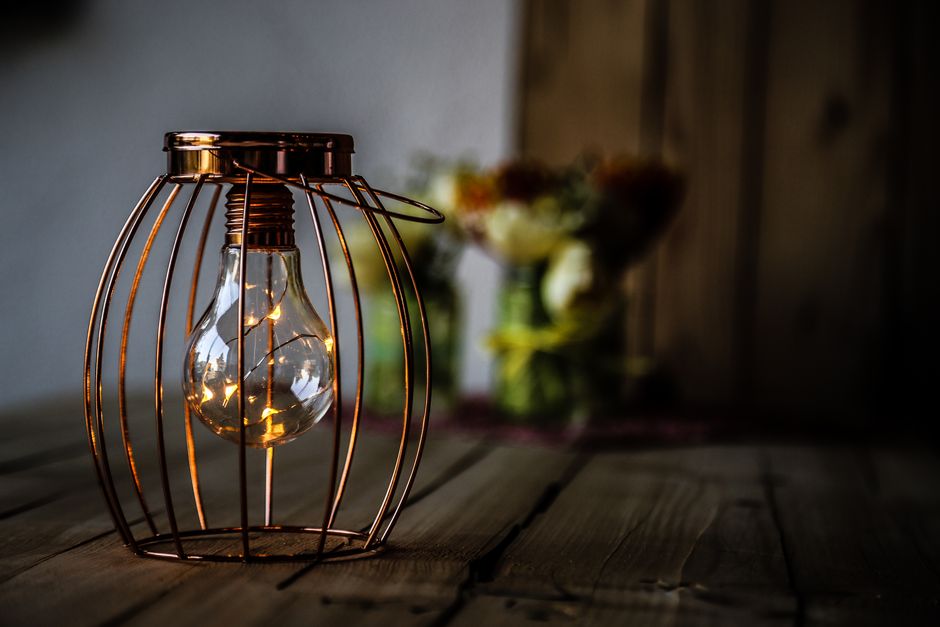
Beyond candles, small table lamps or string lights can also function as decorative accents. A lamp with a textured shade or a sculptural base becomes a design element even when turned off. Placing a lamp on a side table or corner shelf adds warmth to darker areas of a room. When incorporating lighting accessories, one may consider the quality of light—warm bulbs tend to create a cozier feel, while cooler light suits task-oriented spaces. The ability to adjust lighting through multiple sources, including candles, gives a room flexibility for different activities and times of day.