Layered Lighting Techniques for a Bedroom Retreat
A bedroom serves as a personal sanctuary where rest and relaxation take priority. The way light is arranged in this space can influence how it feels throughout the day. Layered lighting is a method that uses multiple light sources at different levels to create depth, flexibility, and comfort. Instead of relying on a single overhead fixture, this approach combines ceiling lights, lamps, and dimmers to shape the atmosphere according to different needs and moments.
Three primary layers form the foundation of this technique: ambient lighting, task lighting, and accent lighting. Each layer plays a distinct role, and together they allow a room to transition from bright and functional to soft and calming. By understanding how these layers interact, it becomes possible to design a bedroom that supports both daily routines and moments of unwinding. The following sections explore each layer in detail and explain how dimmers and thoughtful placement can bring the entire system together.
Before making any changes, it helps to consider the existing light sources in the room, the natural light available, and the activities that take place in the bedroom. A layered lighting plan does not require a complete overhaul. Small adjustments, such as adding a dimmer or repositioning a lamp, can already make a noticeable difference in how the room feels.
Ambient Lighting: Establishing the Foundation
Ambient lighting, sometimes called general lighting, provides the overall illumination that makes a room usable after dark. In a bedroom, this layer typically comes from ceiling-mounted fixtures such as flush mounts, semi-flush mounts, or recessed lights. The goal is to distribute light evenly so that there are no harsh shadows or overly bright spots. For a retreat-like atmosphere, the intensity of ambient light should be adjustable rather than fixed.
One way to achieve this is by selecting a fixture that works with a dimmer. Dimming the ambient layer lowers the overall brightness, which naturally shifts the mood toward relaxation. Another option is to use multiple recessed lights on separate switches or zones, so that only part of the ceiling is lit at a time. This reduces glare and creates a softer environment. Warm color temperatures, typically between 2700K and 3000K, are often preferred for bedrooms because they resemble the glow of incandescent bulbs and feel less stimulating than cooler light.
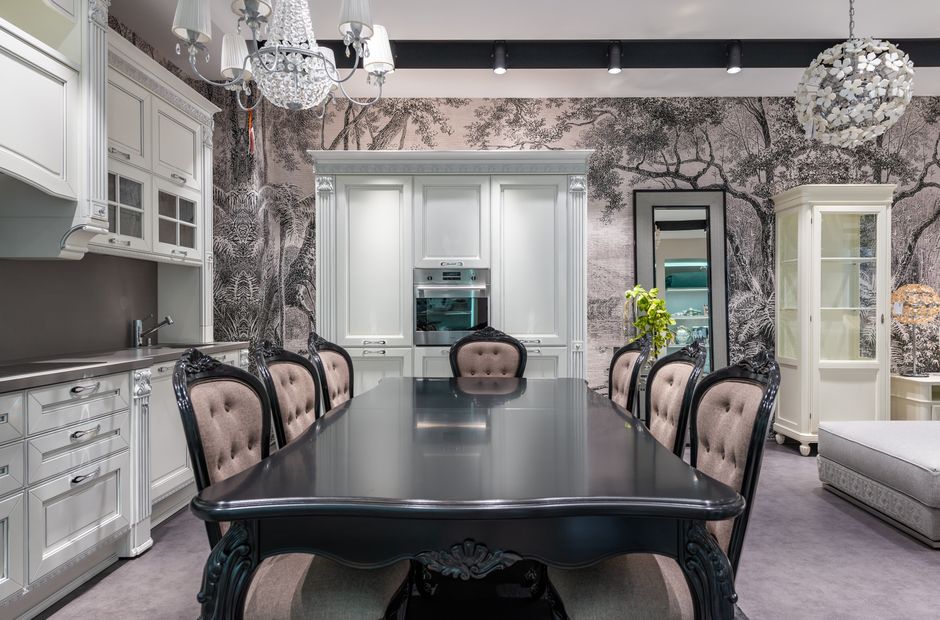
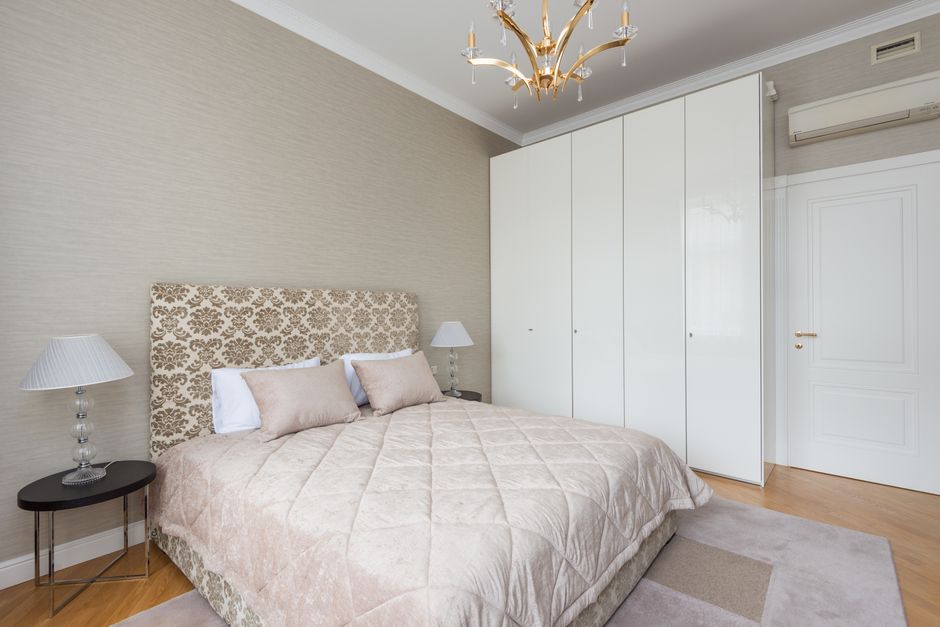
For those who prefer a more decorative look, a chandelier or a small pendant light can serve as both ambient lighting and a visual focal point. The fixture itself can contribute to the room’s style while providing enough light for general movement. The key is to ensure that the light is diffused, either through a shade, a lens, or by bouncing it off the ceiling. Direct downward light should be kept to a minimum in the ambient layer to avoid creating a harsh environment.
Task Lighting: Adding Function and Focus
Task lighting addresses specific activities that require more concentrated illumination. In a bedroom, common tasks include reading in bed, choosing clothes from a closet, or applying makeup at a vanity. The purpose of this layer is to provide adequate light exactly where it is needed without disturbing the overall calm of the room. Because task lighting is often used at close range, it should be adjustable and positioned to minimize shadows.
Bedside lamps are a classic example of task lighting. Whether placed on nightstands or mounted on the wall as swing-arm sconces, they allow a person to read or work without relying on the main ceiling light. Lamps with adjustable heads or rotating arms offer flexibility, letting the user direct light onto a book or device while keeping the rest of the room dim. For shared bedrooms, individual task lights enable each person to control their own light level without affecting the other.
Vanity lighting is another important form of task lighting. Lights placed on either side of a mirror, at eye level, help eliminate shadows on the face. A single overhead fixture above a mirror often casts shadows downward, which can be unflattering and less functional. Task lighting in a closet or dressing area may come from small LED strips or puck lights that activate when the door opens. In every case, the light source should be shielded to avoid direct glare and positioned so that it illuminates the task rather than the eyes.
Accent Lighting: Creating Depth and Character
Accent lighting is used to highlight architectural features, artwork, or decorative objects within the bedroom. Unlike ambient or task lighting, its primary purpose is visual interest rather than illumination. By drawing attention to specific areas, accent lighting adds layers of texture and depth that make the room feel more curated and inviting. This layer is often the easiest to adjust because it does not need to be bright or centralized.
Wall sconces or picture lights can be aimed at a piece of art or a textured wall surface. The contrast between the lit area and the surrounding darkness creates a sense of focus. LED strips placed behind a headboard, along a crown molding, or under a floating shelf produce a soft glow that outlines shapes without overwhelming the room. This type of indirect light works especially well in a bedroom retreat because it mimics natural twilight and encourages relaxation.
Accent lighting can also be used to define zones within a larger bedroom. For example, a reading nook with a floor lamp or a small table with a decorative lamp can become a distinct area for quiet moments. The intensity of accent lights is usually lower than ambient light, and they are often controlled separately so that they can remain on while other lights are turned off. When planning accent lighting, it is important to consider the surface being highlighted. Matte surfaces absorb light, while glossy ones reflect it, which affects the overall effect.
Dimmers and Controls: Bringing the Layers Together
A layered lighting system becomes truly effective when each layer can be adjusted independently. Dimmers are the primary tool for this, as they allow a person to change the output of a light source from full brightness to a subtle glow. Installing a dimmer on the ambient layer is one of the simplest ways to transform a bedroom from a bright, functional space into a serene retreat. Many modern dimmers are compatible with LED bulbs, though checking compatibility is recommended to avoid flickering or reduced range.
Smart lighting controls add an additional level of convenience. Wireless switches, remote controls, or smartphone apps can manage multiple layers from a single interface. Some systems allow users to create scenes that combine different lights at preset levels. For instance, a bedtime scene might dim the ceiling lights to ten percent, turn on both bedside lamps at a low level, and leave accent lighting on for a warm glow. A morning scene could raise the ambient light to a higher level and turn off accent lights. These controls can be especially useful for people who want to adjust the lighting without getting out of bed.
When integrating dimmers with task lighting, it is helpful to choose lamps that are designed for dimming or that have built-in adjustable settings. Some bedside lamps come with touch controls that offer multiple brightness levels. For task lights that are not dimmable, placing them on a separate circuit from the ambient layer still provides flexibility. The goal is to avoid a situation where the only option is on or off. The more control the user has over each light source, the more precisely the atmosphere can be tailored to the moment.
Practical Considerations for Combining Layers
Creating a successful layered lighting plan involves more than selecting the right fixtures. Placement, bulb type, and switch location all influence how the layers work together. A common method is to start with the ambient layer and then add task lights where activities occur. Accent lights can be added last to fill in visual gaps or to highlight elements that make the space feel personal. Throughout the process, it is important to test the lighting at different times of day and with different combinations turned on.
For example, in a typical bedroom, the ambient fixture might be centered on the ceiling. Two bedside lamps on nightstands provide task light for reading. A wall sconce above the headboard or a small LED strip behind it adds accent light. A dimmer on the ceiling fixture and plug-in dimmers on the lamps allow each to be adjusted independently. Turning the ambient fixture off and using only the lamps and accent lights creates a low, intimate setting suitable for winding down. Conversely, turning on the ambient light at full brightness and the task lights helps with morning routines.
Another consideration is the balance between light sources. If all layers are set to maximum brightness, the room may feel overly harsh and lose the sense of retreat. The idea is to use the layers to complement one another. Soft shadows are not a flaw but a feature of layered lighting. They add dimension and prevent the room from feeling flat. When in doubt, using lower wattage bulbs or smaller fixtures in the accent layer can help maintain the desired calm. Over time, adjusting the setup based on personal preferences will lead to a lighting environment that supports both rest and daily activities.