Mixing Wood and Metal Textures in a Modern Home
Combining the natural warmth of wood with the crisp refinement of metal has become a defining approach in contemporary interior design. This pairing brings together two materials that differ in temperature, texture, and visual weight, creating spaces that feel both grounded and modern. The contrast between organic grain patterns and smooth metallic surfaces introduces a layered aesthetic that can be adapted to various rooms and styles. Rather than treating wood and metal as opposing forces, modern interiors often use them as complementary elements that define the character of a home.
The process of blending these textures requires careful consideration of proportions, finishes, and placement. Wood tends to soften the space, adding a sense of comfort and timelessness, while metal introduces structure, precision, and a subtle industrial edge. Achieving a balanced mix involves understanding how each material interacts with light and nearby furnishings. When planned thoughtfully, the combination can make a room feel cohesive without becoming monotonous. This article explores practical ways to introduce wood and metal textures into a modern home, focusing on key furniture pieces and decorative choices.
Home Hue recognizes that every home has its own unique personality, and the interplay between wood and metal offers a flexible framework for expressing that individuality. By focusing on the principles of contrast and harmony, it becomes possible to create interiors that are visually engaging without overwhelming the senses.
Understanding the Visual Weight of Wood and Metal
Every material carries a certain visual weight that influences how it is perceived within a room. Wood, with its varying grains, knots, and tones, tends to feel heavier and more organic. It absorbs light rather than reflecting it, which contributes to a sense of depth and warmth. Metal, by contrast, often possesses a reflective quality that makes it appear lighter and more dynamic. Polished steel or brushed brass can catch the eye and direct attention across a space. Understanding these inherent characteristics is the first step toward combining them effectively.
The choice of wood species and metal finish plays a significant role in the overall impression. A dark walnut paired with matte black iron creates a moody, sophisticated atmosphere, while light oak with brushed nickel yields a brighter, more airy effect. The grain direction of wood also matters: horizontal grains can widen a piece visually, whereas vertical grains add height. Metal surfaces can be textured as well, with hammered or brushed finishes that add subtle variation. By considering these details, one can control whether the combination feels bold and contrasting or subtle and harmonious.
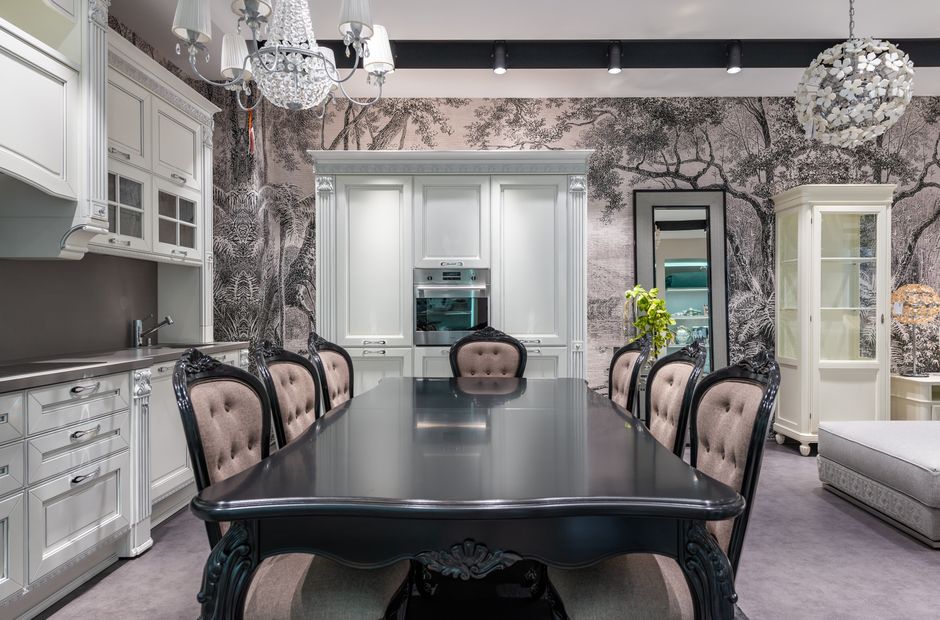
In practice, the visual weight of each material should be distributed so that no single element dominates the room unless that is the intended effect. For example, a large wooden dining table might be balanced by slender metal chairs or a metal-framed pendant light overhead. Similarly, a metal shelving unit can be softened by placing wooden boxes or plants on its shelves. The goal is to create a dialogue between the materials, where each supports the other without competing.
Selecting a Dominant Material for Your Space
When mixing wood and metal, it often helps to designate one material as the primary texture and the other as an accent. This does not mean that one must be used sparingly; rather, the dominant material sets the overall tone, while the secondary material provides contrast and interest. The decision can be based on the room’s function, the amount of natural light, or the existing architectural features. For instance, a living room with hardwood floors and exposed wooden beams might benefit from metal accents in the furniture and lighting, allowing the wood to remain the star.
In a home office or kitchen, where cleanliness and durability are priorities, metal might take the lead. Stainless steel countertops or metal desk frames can be paired with wooden cutting boards, shelving, or desk accessories to introduce warmth without sacrificing practicality. The dominant material also influences the color palette: wood tones can be matched with corresponding metal finishes—such as brass with cherry wood, or chrome with white oak—to create a cohesive look. Neutral colors such as white, gray, or beige serve as a backdrop that allows both textures to stand out.
Another approach is to let the size of the room dictate the dominant material. Smaller spaces often benefit from lighter woods and brighter metals to avoid feeling cramped, while larger rooms can handle darker, heavier combinations. The key is to maintain a sense of continuity so that the materials feel intentional rather than accidental. Home Hue suggests evaluating the room as a whole before making individual furniture purchases, as this helps ensure that the dominant and accent materials work together from the start.
Incorporating Mixed Textures with Coffee Tables
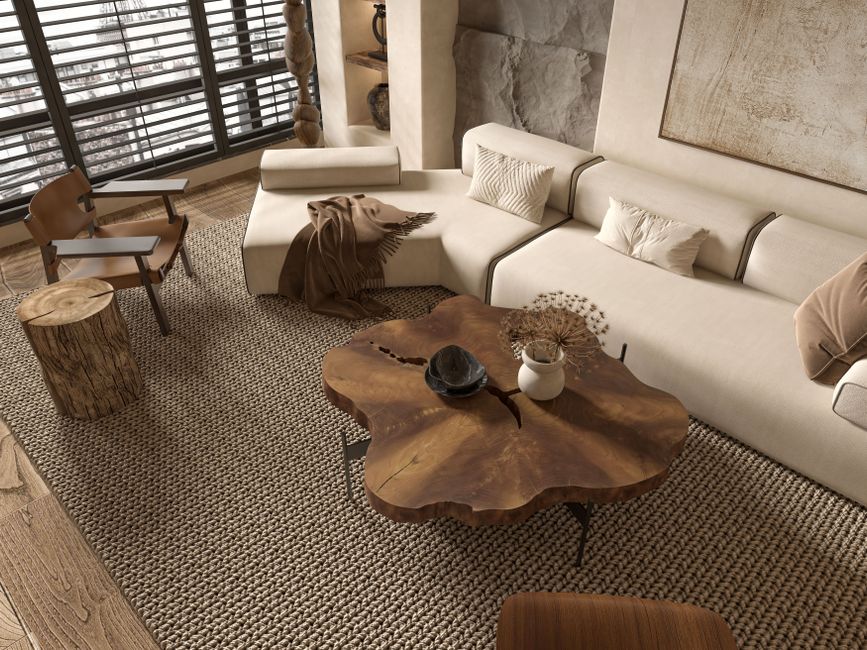
The coffee table is often the centerpiece of a living room, making it an ideal candidate for showcasing the wood-and-metal combination. Many designs already feature both materials, such as a solid wood top resting on a metal base, or a metal frame with wooden inserts. The choice of proportions matters: a thick wooden slab on slender hairpin legs creates a striking contrast, while a thin metal shelf with a single wooden box top offers a more understated look. The finish of the metal—whether matte, brushed, or glossy—can be selected to match other metal elements in the room, such as lamp bases or curtain rods.
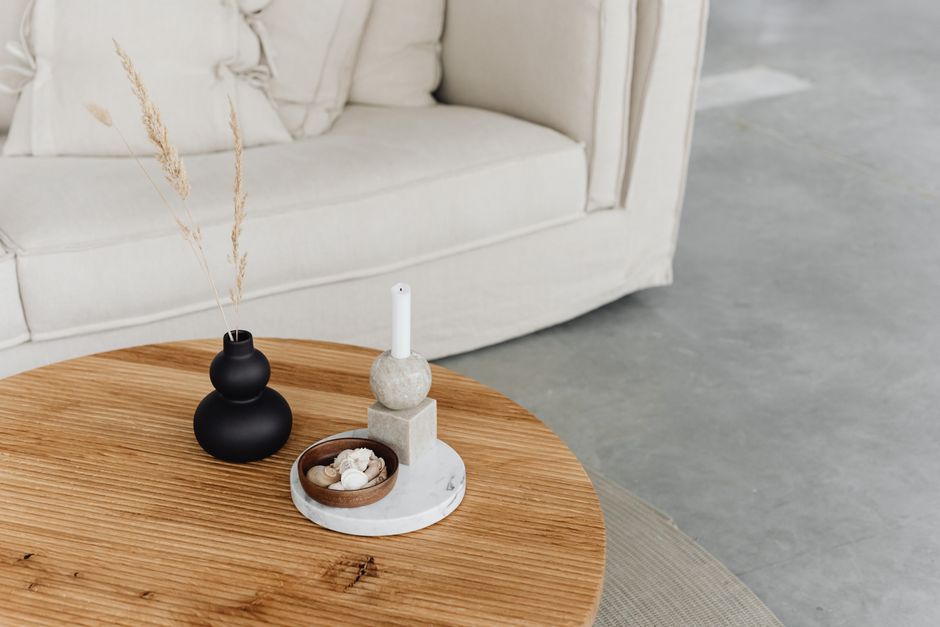
For those who prefer a more custom approach, a simple wooden table can be paired with metal trays, coasters, or a metal magazine holder to introduce the second texture without overwhelming the piece. Alternatively, a metal coffee table can be softened with a wooden serving board or a woven basket that contains wooden elements. The placement of these accessories should feel deliberate, creating small visual pockets of contrast. A low pile rug beneath the table can further anchor the arrangement, especially if it introduces a texture like wool or jute that complements both wood and metal.
When selecting a coffee table, it is also worth considering the scale of the room and the seating arrangement. A large, heavy table may require lighter, more open metal elements to avoid looking bulky. Conversely, a small table can benefit from a sturdy metal base that adds presence. The surface of the table should be functional: wood provides a warm place to set books or drinks, while metal offers easy cleaning and a modern edge. Balancing these practical considerations with aesthetic ones leads to a piece that serves the room well over time.
Blending Textures on Shelving and Display Units
Shelving offers a versatile canvas for exploring the wood-and-metal relationship. Open shelving units with metal frames and wooden shelves are a common solution, providing both storage and display opportunities. The metal structure defines the shape and supports the shelves, while the wood adds warmth and a place to rest decorative objects. The contrast is especially effective when the shelves are styled carefully: grouping items by material—such as a cluster of wooden vases on one shelf and metal candlesticks on another—creates a rhythm that guides the eye.
Another approach is to mix freestanding metal shelving units with separate wooden wall shelves. This allows for greater flexibility in arranging the room, as the two materials can be placed on opposite walls or adjacent to each other. A metal shelf with industrial pipes and brackets can be paired with a floating wooden shelf that holds plants or books. The visual tension between the raw, utilitarian feel of the metal and the refined simplicity of the wood adds character to the space. It is important to maintain a consistent finish across metal pieces, such as all black iron or all brass, to prevent the room from feeling disjointed.
Decorative objects placed on the shelves further enhance the mix. Wooden picture frames, metal sculptures, ceramic pots, and glass items can all be arranged to create a balanced composition. The rule of thirds often applies: a grouping of three objects that vary in height, material, and color tends to look intentional. For example, a tall wooden vase, a medium-sized metal bowl, and a small ceramic dish can form a pleasing vignette. The background wall color also influences the perception: a light wall makes dark wood and metal stand out, while a dark wall can make them recede into a moody backdrop.
Using Decorative Accents to Unify the Look
Beyond large furniture pieces, decorative accents play a crucial role in tying together wood and metal throughout the home. Small items such as table lamps with wooden bases and metal shades, or mirrors with metal frames surrounded by wooden sconces, can introduce the combination in subtle ways. These accents allow the materials to appear in multiple locations, creating a visual thread that connects different areas. A living room with a wood-and-metal coffee table might echo the same materials in a floor lamp, a magazine rack, and a set of coasters on the side table.
Textiles also offer an opportunity to reinforce the texture contrast. A woven throw blanket with a metallic thread, or cushions with wooden buttons and metal zippers, can bridge the gap between the two materials. Even wall art can contribute: a canvas with wood paneling and a metal frame, or a series of metal typography signs mounted on a wooden ledge, helps maintain the theme. The key is to avoid overloading the space with too many similar objects; instead, choose a few well-curated pieces that carry the aesthetic forward.
Lighting is another area where wood and metal can be combined effectively. Pendant lights with metal shades and wooden stems, or floor lamps with twisted metal arms and wooden bases, serve as functional decor. The warm glow of incandescent bulbs enhances the richness of wood, while cooler LED light emphasizes the sleekness of metal. By varying the types of accents, the home can achieve a layered look that feels collected over time rather than assembled from a store.
Maintaining Visual Cohesion Across the Home
When mixing wood and metal in multiple rooms, consistency becomes important. A home that uses a single dominant metal finish—such as brushed nickel in the living room, chrome in the kitchen, and brass in the bedroom—can feel cohesive if the wood tones are also consistent. Alternatively, one can choose one wood species and one metal finish and apply them throughout the major furniture pieces, allowing smaller accents to vary. The repetition of a recognizable element, such as hairpin legs on tables or black metal frames on mirrors, creates a signature look that unifies the spaces.
Transitions between rooms should feel natural. Open floor plans require extra attention, as the wood-and-metal palette must flow from one zone to the next. A large area rug can define a seating area without breaking the visual continuity. Color also plays a role: sticking to a neutral base with pops of wood and metal keeps the overall scheme harmonious. For example, a gray sofa with a wooden coffee table and metal side tables works well in a living room that opens to a dining area with grey chairs and a metal-framed wooden table.
Home Hue emphasizes that the goal is not perfection but personal expression. The process of mixing textures invites experimentation, and small adjustments can have a significant impact. Over time, as new pieces are added or existing ones are rearranged, the balance between wood and metal can evolve. What matters most is that the final arrangement feels intentional and comfortable, reflecting the inhabitant’s own sense of style while respecting the natural qualities of the materials.